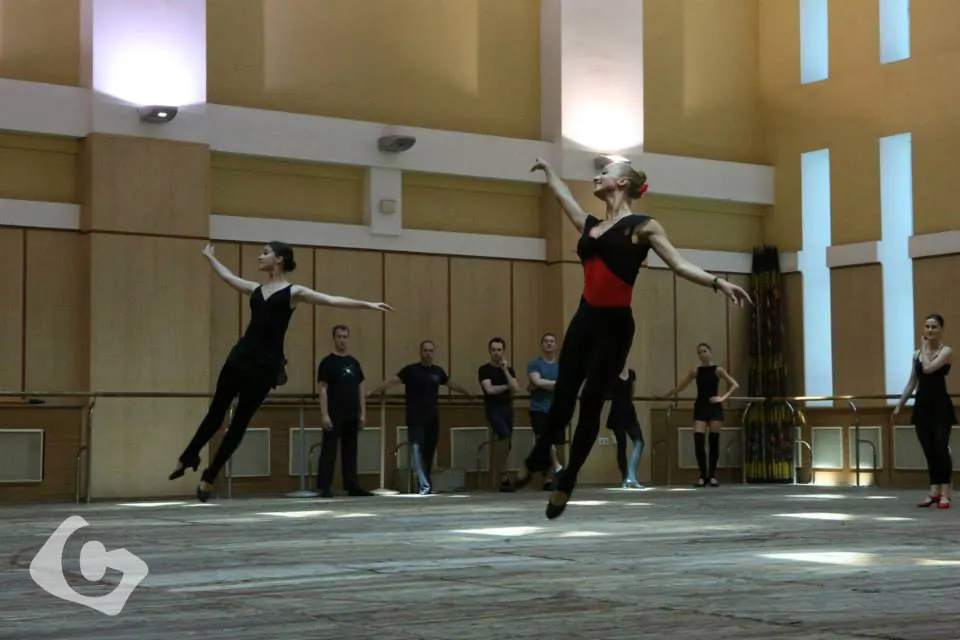

There’s no single path into becoming a Ukrainian dance instructor. Some have danced with Virsky or another major Ukrainian ensemble; others trained formally at Kyiv’s Institute of Culture. Many bring ballet, character dance or gymnastics backgrounds into the studio, some hold education degrees, and plenty more are self-taught after years — sometimes decades — of teaching. There’s no one right route, and no single credential that guarantees a good teacher.
What actually seems to matter is more specific: some dance training and experience of their own, reliability, real communication with both students and their families, and a working knowledge of Ukrainian culture, music and costume — or at minimum, a genuine willingness to keep learning it. None of that, on its own, is quite enough, though. The instructors who stand out are the ones who visibly care — about the dance, and about the young people they’re teaching — because that kind of investment can’t really be taught into someone who doesn’t already have it.
For a community built largely on volunteer effort, that’s worth remembering from the other side of the studio too. Many instructors are teaching purely out of love for the culture, unpaid or barely compensated for the hours they put in; even the ones who do make a living at it aren’t getting rich. They’re carrying something forward — and a community that supports its instructors, rather than criticizing them, is the one that keeps that torch actually lit for the next generation.