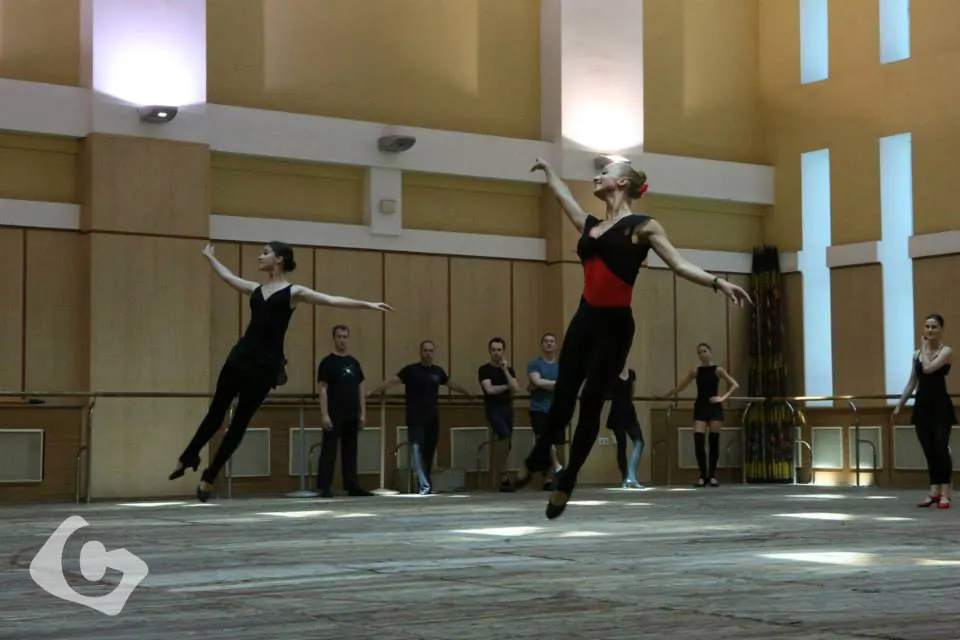

Every dance instructor knows the blank stare — the moment a new step is demonstrated and a room full of young dancers simply doesn’t reproduce it. The usual response is to demonstrate again, or have one student model it for the rest of the class to copy. That works, eventually, but it skips over something worth examining more closely: what a step like skipping actually requires the body to already be able to do.
Before a child can skip in time with music, they generally need two more basic skills already in place. First: can they stand on one leg and hold their balance? It’s a genuine surprise how many three-, four- and five-year-olds can’t yet, on either leg — and if the answer is no, that’s the actual starting point, well before skipping itself gets introduced. Second: can they hop on one leg and land under control, on both the right side and the left? Building that up gradually — eight hops per leg, then four, then two, then one, ideally with a barre to hold and music to keep time — lets a young dancer get comfortable simply transferring weight from one foot to the other, before technique details like pointed feet or a clean retiré ever enter the picture.
There’s no universally “right” way to teach any given step, provided the outcome is reached safely — every instructor arrives at their own methods differently, often through decades of trial, observation and adjustment. What stays constant is the value of breaking a movement down into what it actually demands physically, rather than assuming a student will simply absorb it by watching. Teaching Ukrainian dance is stewardship as much as instruction — and every frustrating rehearsal is balanced by a student who, eventually, gets it.