Before it was a dance, Kolomyika was a verse. In the Carpathian foothills of western Ukraine, a kolomyika is a short, punchy two-line folk couplet — often witty, sometimes flirtatious, occasionally a gentle jab at a neighbour — sung to a quick, rolling 2/4 rhythm. The name is thought to come from Kolomyia, a town in the Ivano-Frankivsk region long associated with the form.
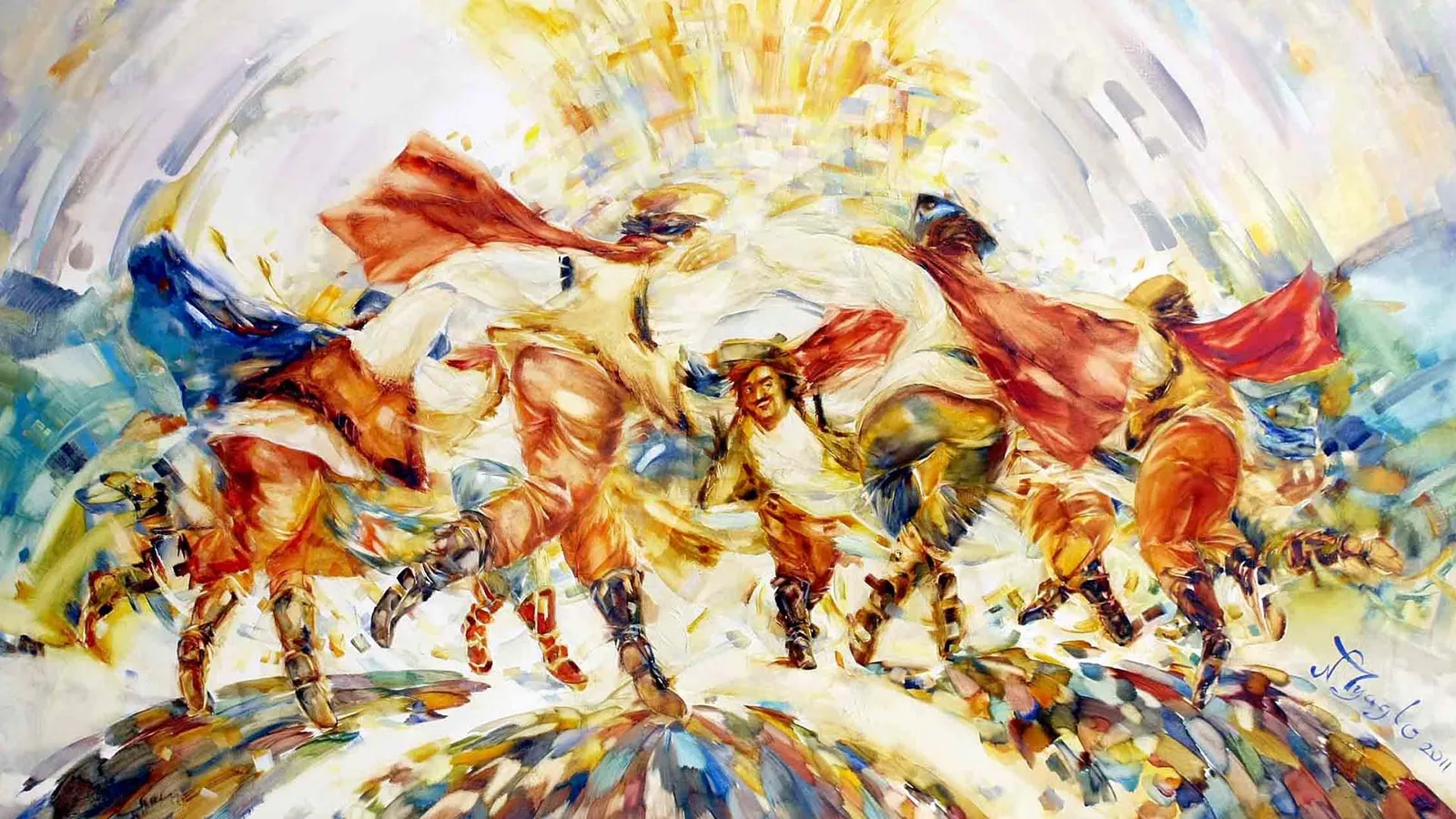
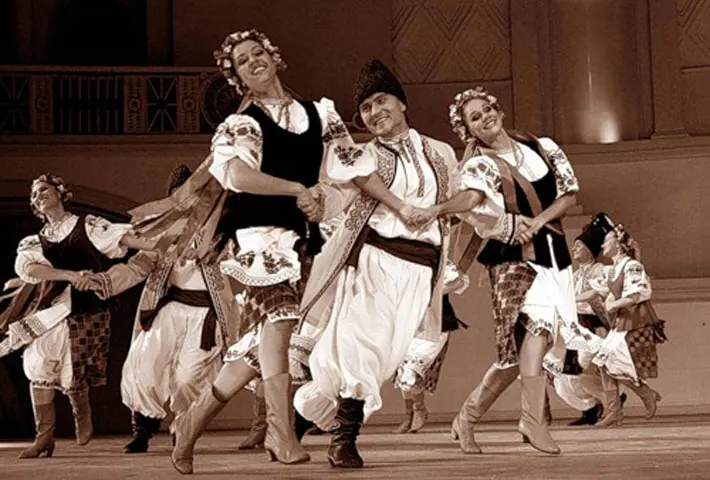
It didn’t take long for the verse form to spill over into movement. The dance that shares its name is fast, circular, and endlessly sociable: dancers link up shoulder to shoulder or hand to hand, moving counter-clockwise around a circle, breaking off into couples or small groups for a verse or two before folding back into the ring. Because the sung couplets were so often improvised on the spot, Kolomyika gatherings could turn into a kind of good-humoured call-and-response — one dancer’s line answered by another’s, the circle picking up speed as the wit (or the teasing) escalated.
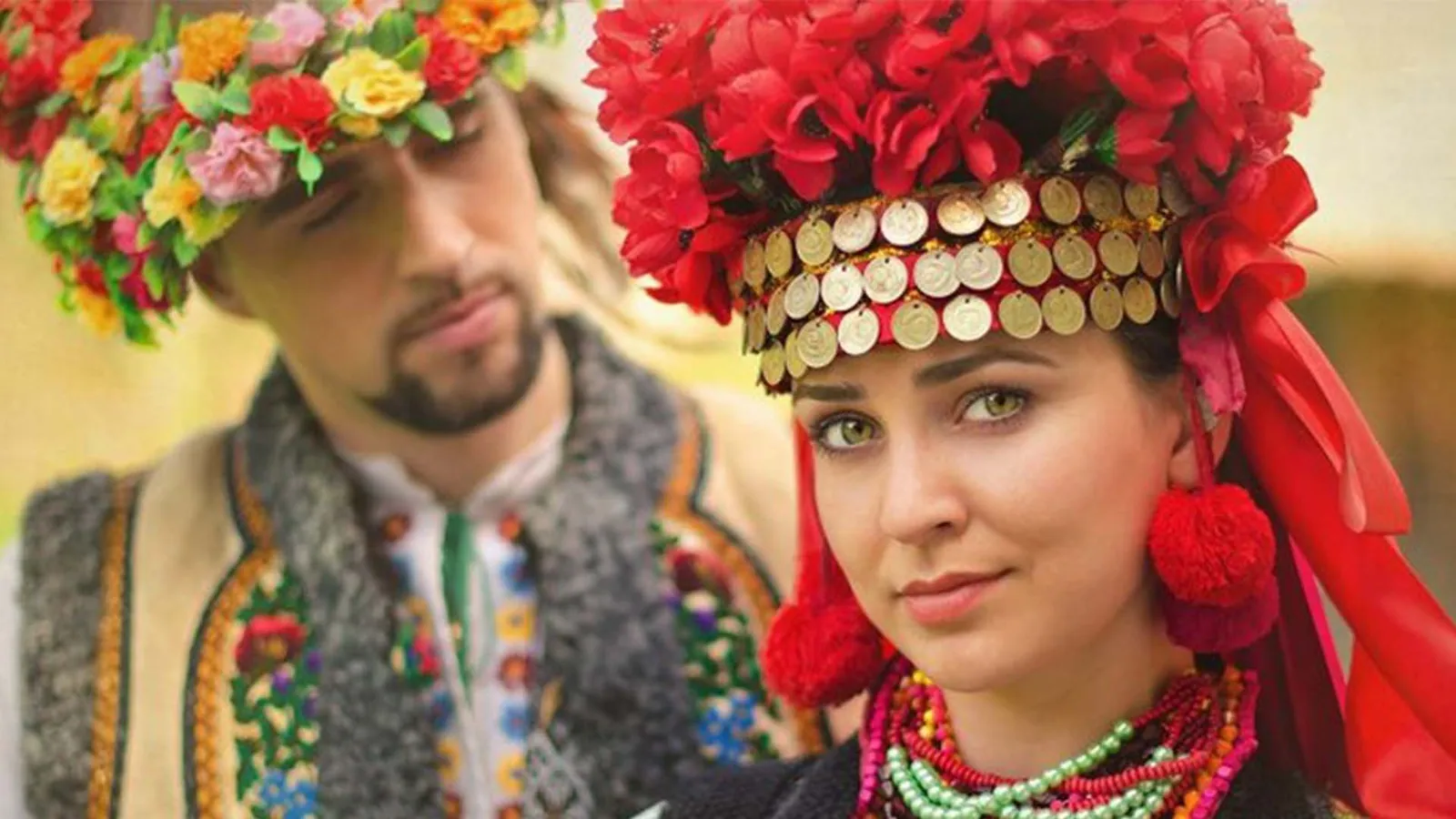
That looseness is part of what has kept Kolomyika alive well past its Hutsul and Pokuttia origins. It travelled with Ukrainian communities wherever they settled, and it remains a staple at weddings, festivals and community halls — not as a formal stage piece to be watched, but as a dance anyone in the room is expected to eventually join. In ensemble choreography, a Kolomyika is often the number that invites the audience to clap along, a reminder that this particular dance was never really meant to have an audience at all.