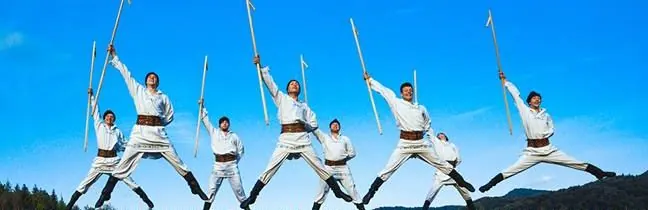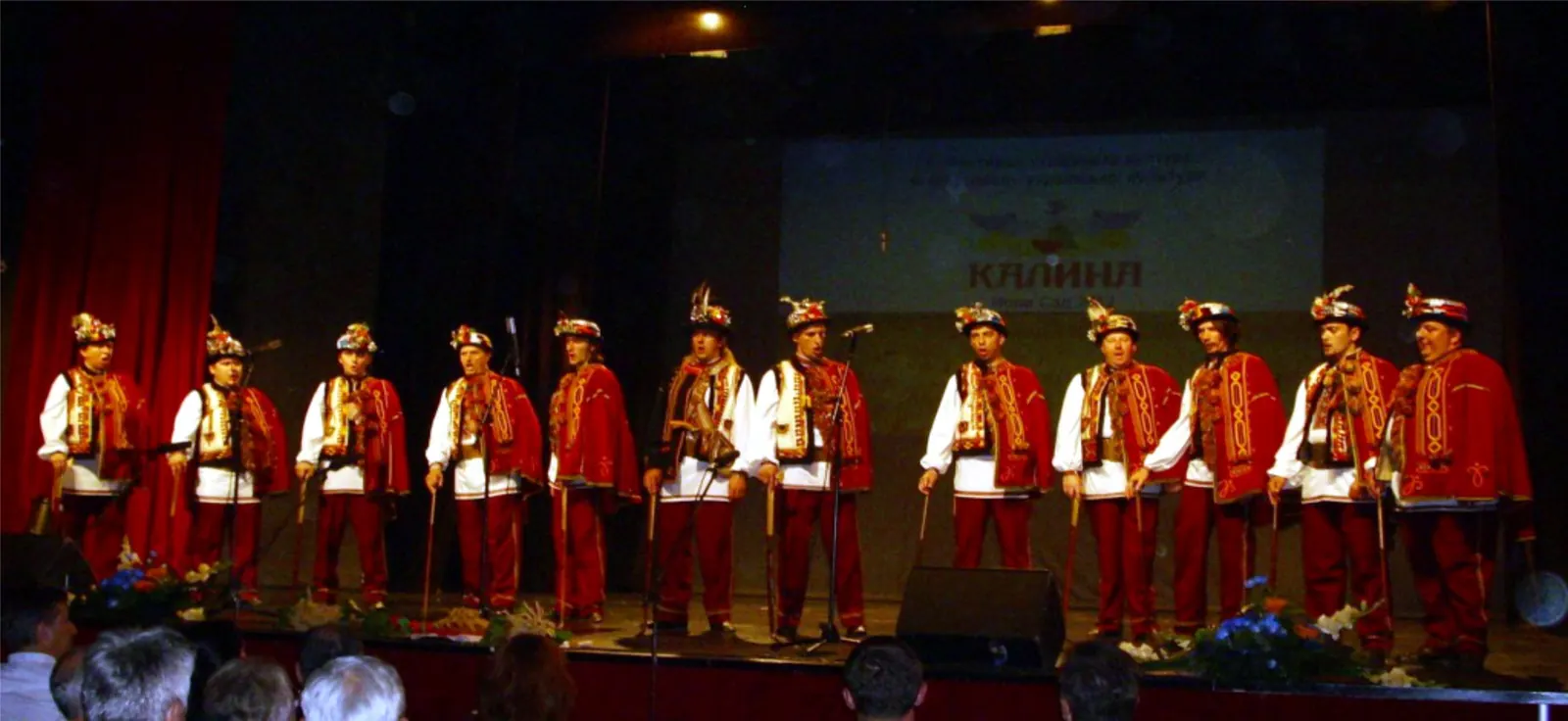
A Royal Theatre of Copenhagen critic once described a 1968 Yunist performance as two hours spent nearly under hypnosis — and that reaction captures something real about the ensemble. “Yunist” (Youth) has built its reputation on exactly that kind of spell, cast through a combination of serious dancer training and genuinely ambitious staging.
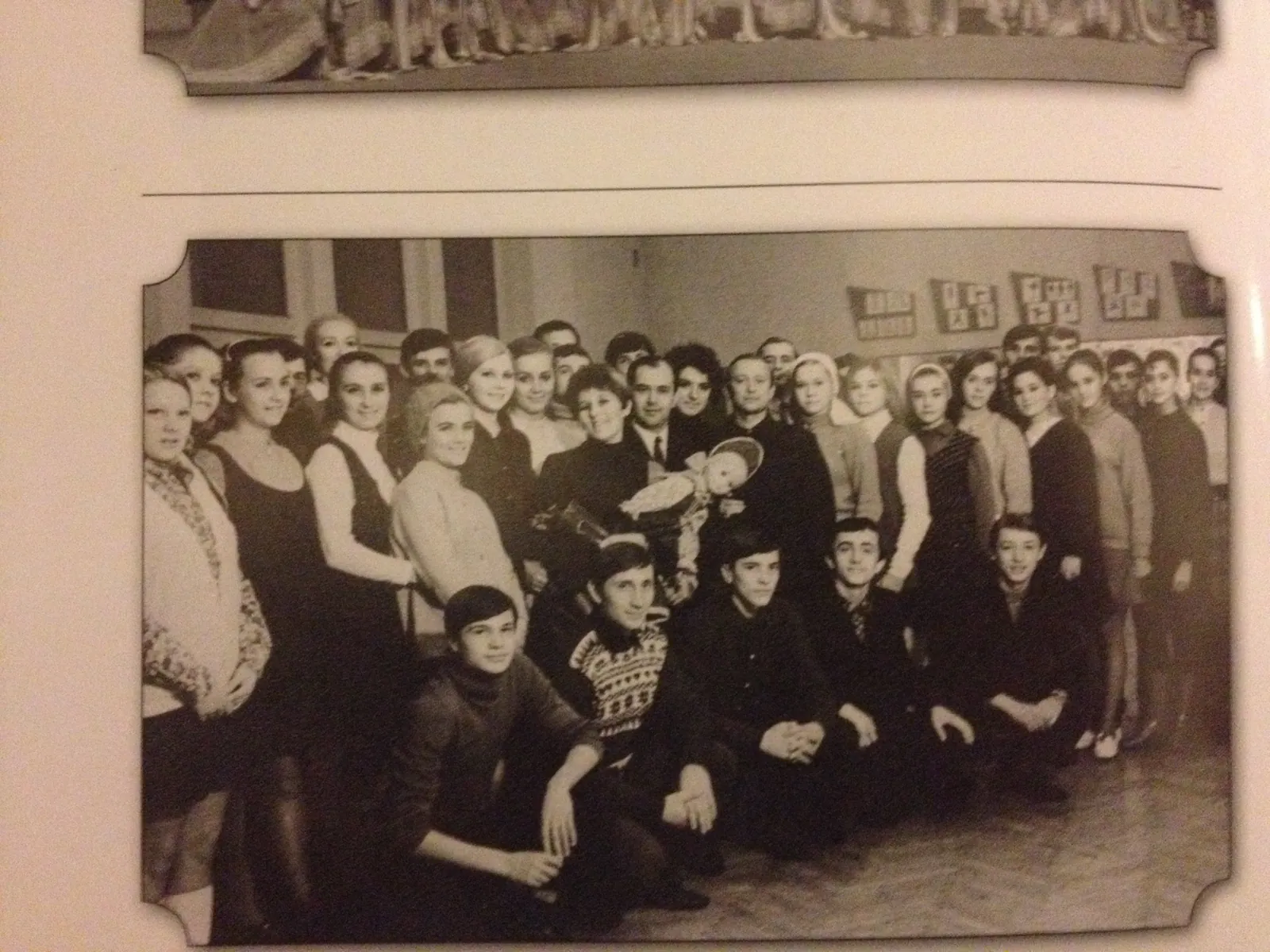
The company began in 1964, founded by one especially ambitious young dancer, Myroslav Vantukh, determined to build a folk-dance group that could compete at the very highest level. It didn’t take long for the effort to be noticed: Pavlo Virsky himself, after watching an early competition performance, told Vantukh directly that his dancers needed performance culture before technique — advice that pushed the ensemble to add dedicated technique classes and classical ballet training, a routine still practiced by the company today. When Vantukh left in 1980 to take over the Virsky Ensemble itself, his own apprentice, Mykhailo Vanivskyy, stepped in and expanded Yunist further, founding the “Vyriy” children’s ensemble and the “Karpaty” folk ensemble as feeder groups that let young dancers age up into the main company over time.
Today Yunist trains more than 200 dancers across seven age groups, with a repertoire of over 50 dances that’s grown from a Soviet-era structure of “Dances of Ukraine,” “Dances of the USSR” and “Dances of the World” into a broader mission of researching, preserving and popularizing Ukrainian folk tradition. Since 1993 the ensemble has run international dance seminars for groups from the United States, Argentina, Brazil, France, England, Australia, Croatia, Serbia, the Netherlands and Canada — extending its reach well beyond the Lviv stage where it began.