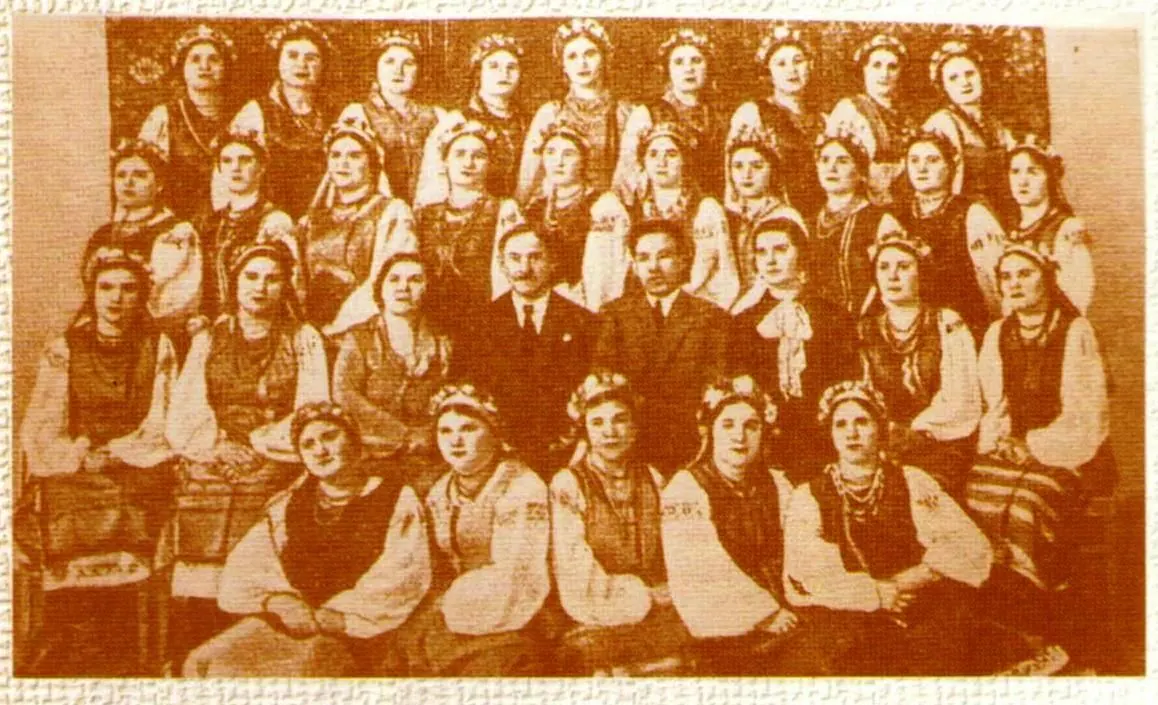
Poltava is often called the spiritual soul of Ukraine — the birthplace of varenyky and borsch as much as of writers like Kotlyarevsky and Gogol — and its dance history matches that reputation for depth. It traces back to the 1920s, when ethnographer, folklorist and dance theorist Vasyl Verkhovynets, together with his wife Evdokia Verkhovynets-Kosteva (known by her stage name “Dolya”), founded ZhinKhorAns, a women’s choir ensemble that pioneered an entirely new genre of dramatized folk song — one that went on to influence folk and dance ensembles across Ukraine and well beyond it.
The group’s history wasn’t a smooth one. After relocating first to Kharkiv and then to Kyiv, where it earned State Capella status, Verkhovynets was arrested on charges of “Ukrainian bourgeois nationalism” and executed in 1938, while Evdokia was exiled to Kazakhstan — a fate shared by much of the era’s Ukrainian creative intelligentsia. She returned after the war to lead the ensemble alongside Oleksandr Pivnenko, and in 1966 it was renamed “Veselka” (Rainbow), continuing to build a repertoire of folk songs, roundelays and vesnianky.
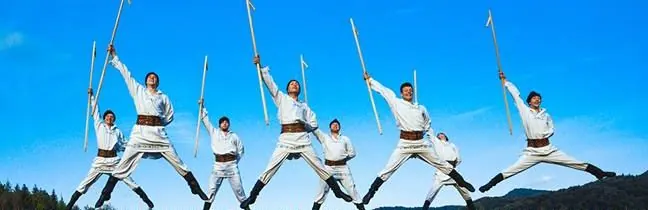
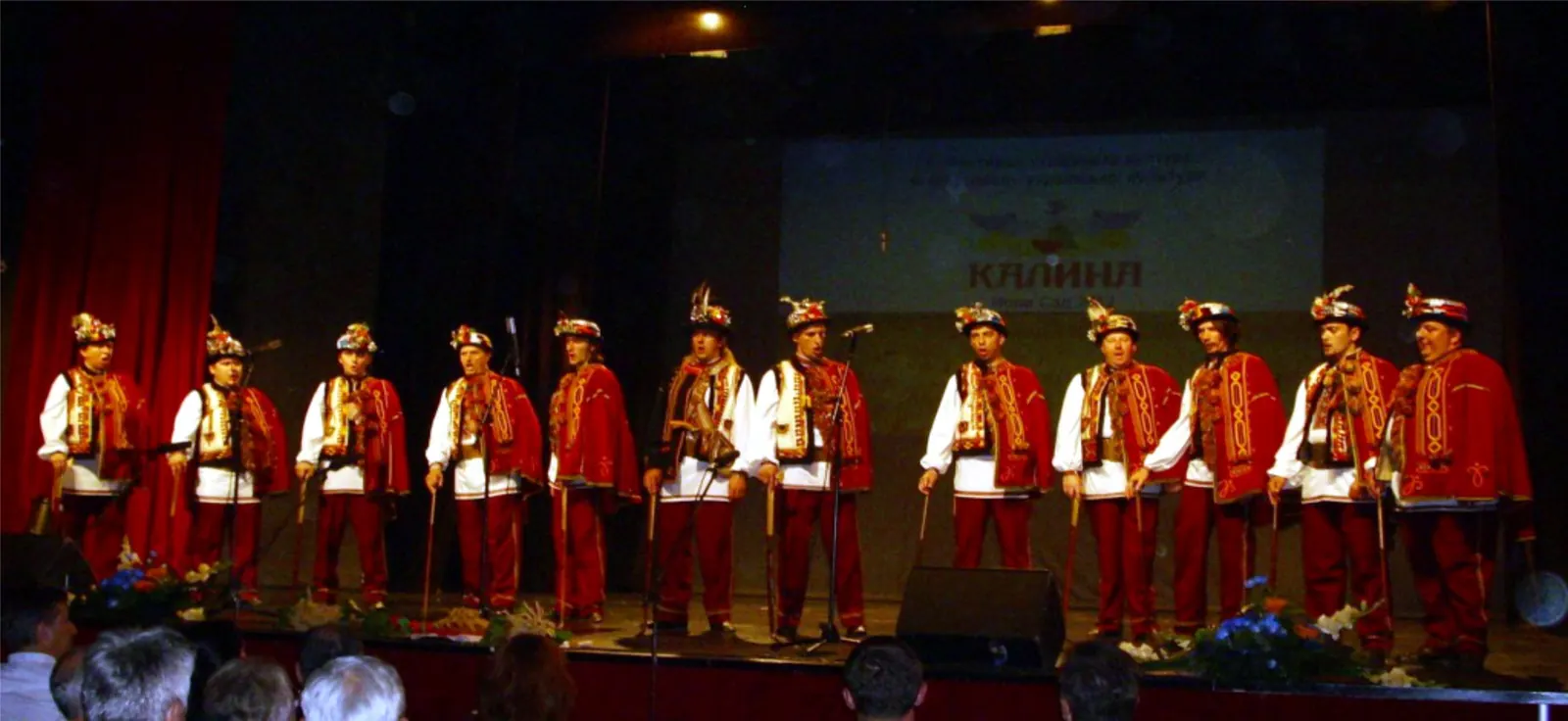
Between 1984 and 1987, Veselka became the foundation for a new company, the Poltava State Folk Choir, with Nina Uvarova — an Honored Worker of Culture of Ukraine — as ballet master, creating enduring pieces like “Rogoza,” “Vasylechky” and “Kosha.” One production in particular, “A Kozak Left to War,” broke genuinely new ground by incorporating moves from “Battle Hopak” — a martial art built on real Zaporizhian Kozak combat technique — into standard staged choreography, the first and, to date, only piece to do so. For roughly 30 years since, Honored Artist of Ukraine Vadym Perepelkin has led the ensemble, carrying forward a lineage that runs, in a straight line, back to Verkhovynets’ original 1920s experiment.